
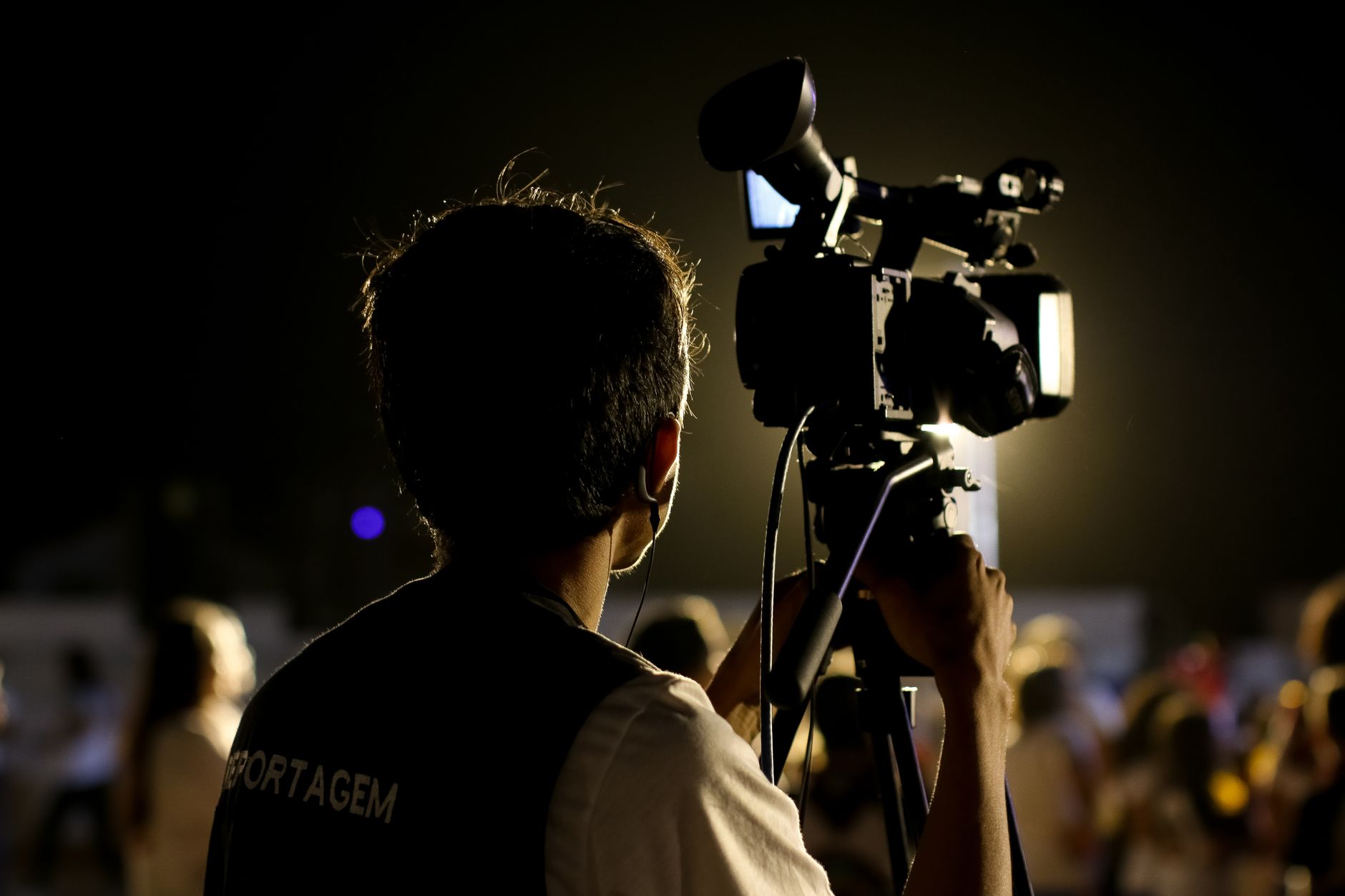
Event videography turns moments that pass quickly into a film you can revisit and share. The process typically includes planning the schedule, capturing important scenes and clear audio, then editing and delivering the finished video. Weddings, conferences, and community events each call for different coverage, so it helps to discuss priorities before the day. Knowing what to expect makes it easier to compare packages, prepare speakers and venues, and get a final video that fits how you plan to use it.
Plan Coverage Around the Event
Coverage begins with a conversation about the event’s purpose, schedule, and most important moments. For a wedding, that may include the ceremony, speeches, first dance, and candid interactions. A conference may call for keynote sessions, panel discussions, audience reactions, and networking. Share a run of show, venue details, and any moments that cannot be repeated so the videographer can plan where to be and when.
Ask how many hours of coverage are included, whether one or more cameras will be used, and what happens if the schedule runs late. A single camera can suit a small gathering, while multiple cameras may help capture a speaker and audience or cover different angles during a ceremony. Confirm whether setup and teardown time count toward coverage, and identify any restricted areas or venue filming rules.
Make Audio a Priority
Clear sound matters as much as a steady picture. A videographer may record a speaker or officiant with a wireless microphone, connect to a venue sound system, and capture backup audio on a separate device. These options help when a room is noisy, a microphone cuts out, or someone speaks away from the main sound system. Ask how audio will be captured for vows, speeches, presentations, and audience questions.
Coordinate with the venue, DJ, or audio technician before the event. Confirm who can provide a soundboard feed, where microphones will be available, and whether speakers need to wear a small microphone. If there are performances, readings, or remote presenters, mention them in advance. The videographer can then choose suitable recording methods and check the setup before guests arrive.
Understand Editing and Delivery
After filming, the editor reviews the footage, selects key moments, balances color, and syncs usable audio. Your final video might be a short highlight film, a full ceremony or presentation recording, or a combination. Ask what the package includes, how long the finished video will be, and whether captions, licensed music, or separate speaker clips are available. These details shape both the edit and how useful the video will be later.
Confirm the expected delivery window, file format, and delivery method before booking. Find out whether you will receive a downloadable file, a private viewing link, or both, and how long the link will remain available. If you need versions for social media, internal training, or a company website, explain those uses early. Also ask whether revisions are included and how to submit feedback on the first edit.
Prepare for a Smooth Shoot
Give the videographer a contact person who can answer questions on the day, along with the schedule, venue access instructions, and a list of priority people or moments. For a wedding, identify key family members and ceremony restrictions. For a conference, share speaker names, session titles, and presentation times. A short planning call helps resolve practical details before they become distractions during the event.
Choose the right level of coverage by deciding what you want to remember or share. If the goal is a brief recap, prioritize key scenes and a highlight edit. If the video needs to preserve a full presentation or ceremony, plan for continuous recording and clear audio. Mile High Motion can discuss coverage options for events in Denver and help clarify what to prepare.
Good event videography starts with clear priorities, thoughtful coverage, and an audio plan that fits the venue. Before booking, confirm the filming hours, deliverables, editing timeline, and intended use of the finished video. Share your schedule and must-have moments early, then contact a videographer to discuss an approach that suits your event.